(Not including the year , duh)
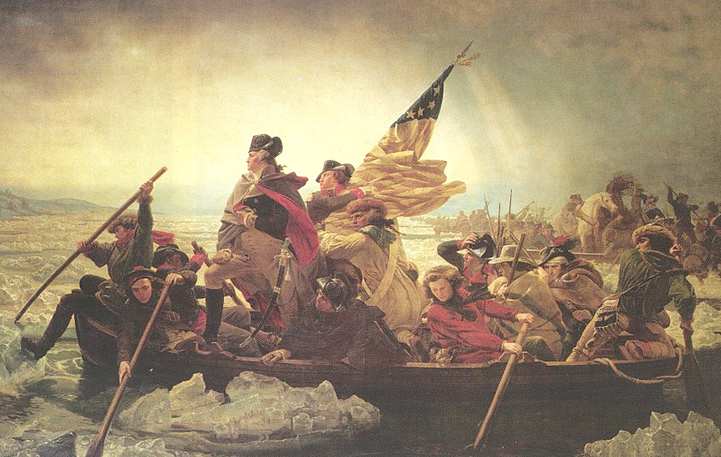 On this day in 1774, in response to the British Parliament's enactment of the Coercive Acts in the American colonies, the first session of the Continental Congress convenes at Carpenter's Hall in Philadelphia. Fifty-six delegates from all of the colonies except Georgia drafted a declaration of rights and grievances and elected Virginian Peyton Randolph as the first president of Congress. Patrick Henry, George Washington, John Adams and John Jay were among the delegates.
Automotive-September 5 ,1930
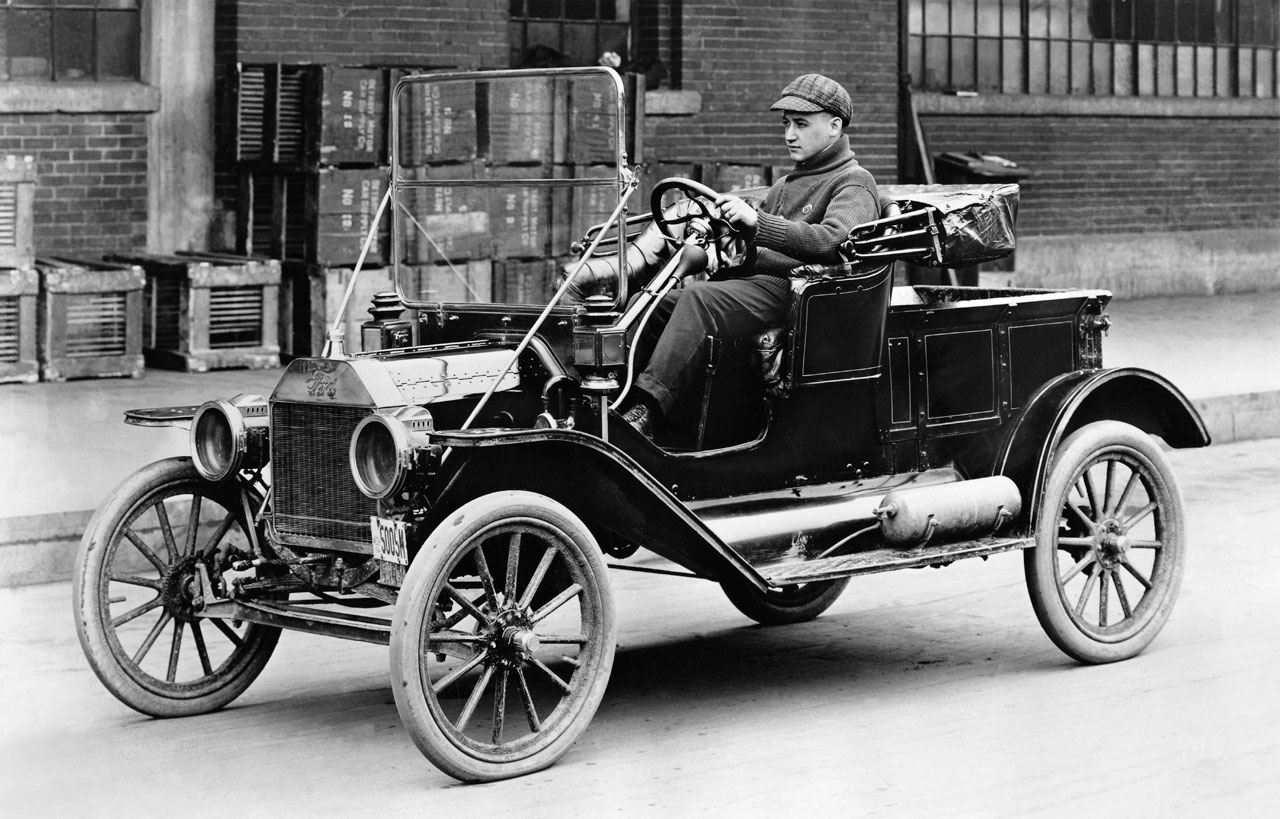 Cross-country trips were no longer considered big news in 1930, but Charles Creighton and James Hargis' unique journey managed to make headlines. The two men from Maplewood, New Jersey, arrived back in New York City on this day, having completed a 42-day round trip to Los Angeles - driving their 1929 Ford Model A the entire 7,180 miles in reverse gear.
Civil War-September 5 ,1863
 United States Foreign Minister to Great Britain, Charles Francis Adams, sends an angry letter to the British government warning that war between the two nations may erupt if it allows two powerful ironclad ships, designed to help the Confederates break the Union naval blockade, to set sail.
Boris Pasternak's romantic novel, Dr. Zhivago is published in the United States. The book was banned in the Soviet Union, but still won the Nobel Prize for Literature in 1958.
Crime-September 5 ,1972
 In the early morning hours of September 5, six members of the Arab terrorist group known as Black September dressed in the Olympic sweat suits of Arab nations and jumped the fence surrounding the Olympic village in Munich, Germany, carrying bags filled with guns. Although guards spotted them, they paid little attention because athletes often jumped the fence during the competition to return to their living quarters.After changing into disguises, the terrorists, toting machine guns, burst into the apartments of 21 Israeli athletes and officials. Yossef Gutfreund, a wrestling referee who valiantly tried to keep the terrorists out, saved Tuvia Sokolovsky, who was able to climb out a window and escape. In another apartment, Moshe Weinberg was shot 12 times but still managed to wound one of the terrorists and save the life of one of his teammates.
Disaster-September 5 ,1666
Firefighters in London begin blowing up homes in a desperate attempt to halt the spread of a great fire through the city on this day in 1666. All other attempts to stop the progress of the flames over the previous three days had failed. By the time the fire was finally snuffed out the following day, more than 100,000 people had been left homeless.
Entertainment-September 5 ,1935
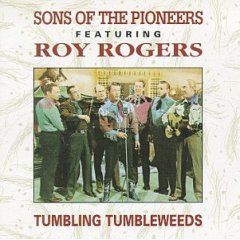 Tumbling Tumbleweeds, the first of many Westerns starring Gene Autry, opens on this day in 1935. Autry, the son of a horse trader, had appeared in smaller parts in other Westerns. After Tumbleweeds, Autry quickly became America's favorite singing cowboy. He later launched a popular and long-running radio show, followed by a TV program in the 1950s.
 General Interest- September 5 , 1972

Literacy- September 5 , 1957
 One of the first novels of the Beat movement of the 1950s, On the Road, by Jack Kerouac, is published on this day in 1957. The novel chronicles the cross-country wanderings of a Kerouac-like hero, Sal Paradise, and his pal Dean Moriarty, and their free-ranging encounters with drugs, free love, and the budding counterculture. The book, which Kerouac wrote in just three weeks, became an instant classic.
Old West -September 5, 1847(Jesse James's Birthday)
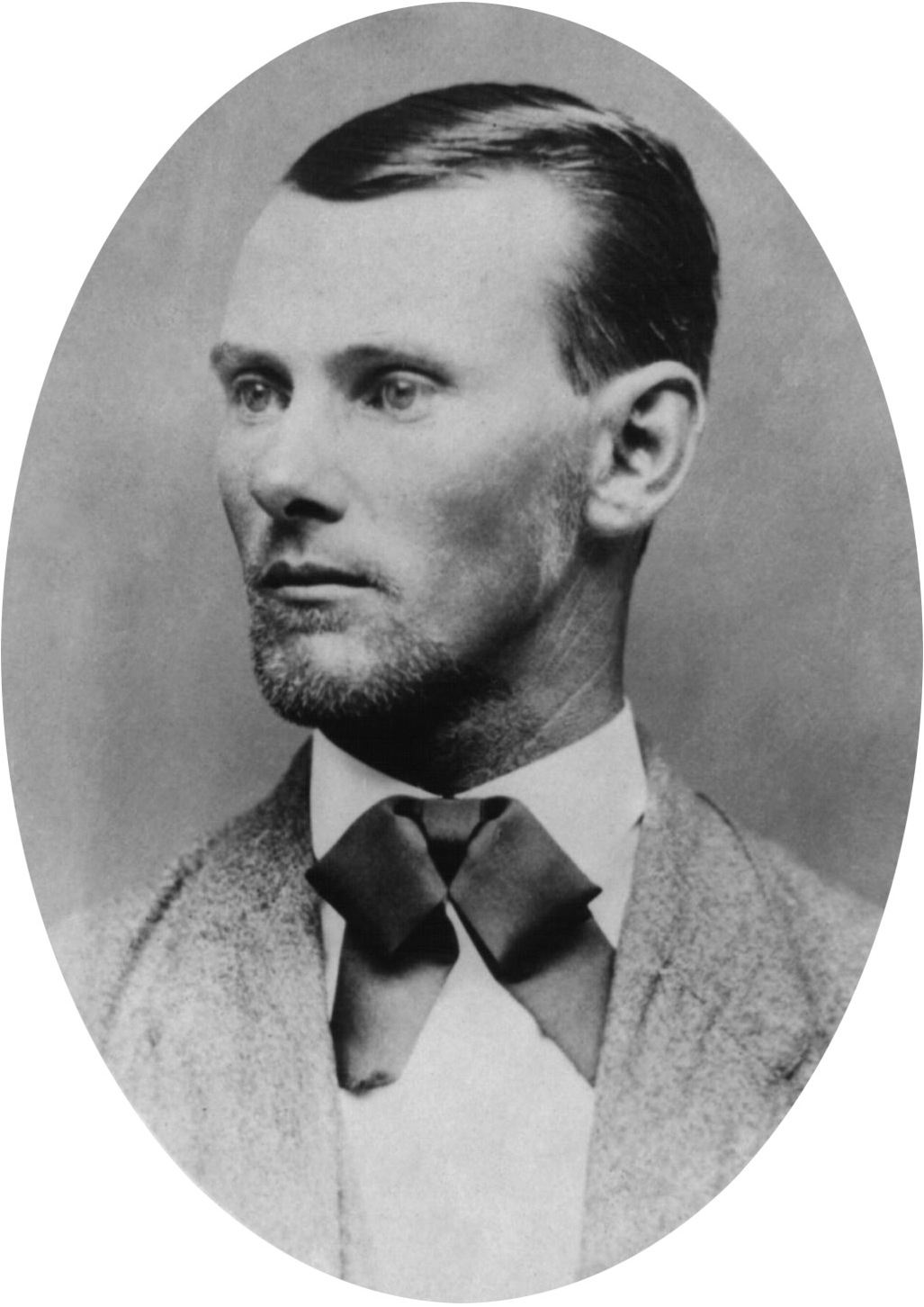 Seen by some as a vicious murderer and by others as a gallant Robin Hood, the famous outlaw Jesse Woodson James is born on this day in 1847, in Clay County, Missouri.
Jesse and his older brother Franklin lost their father in 1849, when the Reverend Robert James abandoned his young family and disappeared forever into the California gold fields. Their mother, Zerelda, quickly remarried, but rumor had it that their new stepfather treated Jesse and Frank poorly, and a third husband soon followed. Perhaps it was a violent and unstable family life that led the young Jesse and Frank into lives of crime. Regardless, it is certain that the brothers first learned to kill during the Civil War. As Confederate sympathizers, both Jesse and Frank joined William Quantrill's vicious Missouri guerilla force, and Jesse participated in the cold-blooded murder of 25 unarmed Union soldiers in August 1863.
Political-September 5 ,1975
On this day in 1975, President Gerald R. Ford survives an attempt on his life in Sacramento, California.
 The assailant, a petite, red haired, freckle-faced young woman named Lynette Fromme, approached the president while he was walking near the California Capitol and raised a .45 caliber handgun toward him. Before she was able to fire off a shot, Secret Service agents tackled her and wrestled her to the ground. Seventeen days later, another woman, Sarah Jane Moore, a mentally unstable accountant, tried to assassinate Ford while he was in San Francisco. Her attempt was thwarted by a bystander who instinctively grabbed Moore’s arm when she raised the gun. Although she fired one shot, it did not find its target. The bystander, a former Marine and Vietnam veteran named Oliver Sipple, was publicly thanked by Ford three days later.
Sports- September 5 , 1972
 During the 1972 Summer Olympics at Munich, in the early morning of September 5, a group of Palestinian terrorists storms the Olympic Village apartment of the Israeli athletes, killing two and taking nine others hostage. The terrorists were part of a group known as Black September, in return for the release of the hostages, theydemanded that Israel release over 230 Arab prisoners being held in Israeli jails and two German terrorists. In an ensuing shootout at the Munich airport, the nine Israeli hostages were killed along with five terrorists and one West German policeman. Olympic competition was suspended for 24 hours to hold memorial services for the slain athletes.
Vietnam War-September 5 , 1970
The 101st Airborne Division (Airmobile), in coordination with the South Vietnamese (ARVN) 1st Infantry Division, initiates Operation Jefferson Glenn in Thua Thien Province west of Hue. This operation lasted until October 1971, and was one of the last major large-scale military operations in which U.S. ground forces would take part.WW1-September 5 ,1914
 On the evening of September 5, 1914, General Joseph Joffre, commander in chief of the French army during World War I, readies his troops for a renewed offensive against the advancing Germans at the Marne River in northeastern France, set to begin the following morning.
With the French 6th Army poised to begin an attack from its position against the right flank of the German 1st Army to the northeast of Paris, Joffre was under pressure from Paris’ military governor, General Joseph-Simon Gallieni, to launch a general offensive in support of the attack. On September 3, Joffre made the difficult decision to replace the commander of the 5th Army, General Charles Lanrezac, punishing him for his caution in ordering a retreat at the Battle of Charleroi on August 22-24—which had in fact saved the French left wing from envelopment by the Germans—and replacing him with the more aggressive General Louis Franchet d’Esperey.
WW2-September 5 , 1943
 On this day in 1943, Gen. Douglas MacArthur's 503rd Parachute Regiment land and occupy Nazdab, just east of Lae, a port city in northeastern Papua New Guinea, situating them perfectly for future operations on the islands.
New Guinea had been occupied by the Japanese since March 1942. Raids by Allied forces early on were met with tremendous ferocity, and they were often beaten back by the Japanese occupiers. Much of the Allied response was led by forces from Australia, as they were most threatened by the presence of the Japanese in that sphere.
And that, folks , is what happened this day in History.
Thanks to History.com and Google users.


No comments:
Post a Comment
So...Whaddaya think? :)